 |
|
|
|
|
|
|
|
|
|

|
|
|
|

|
|
|
|
|
|
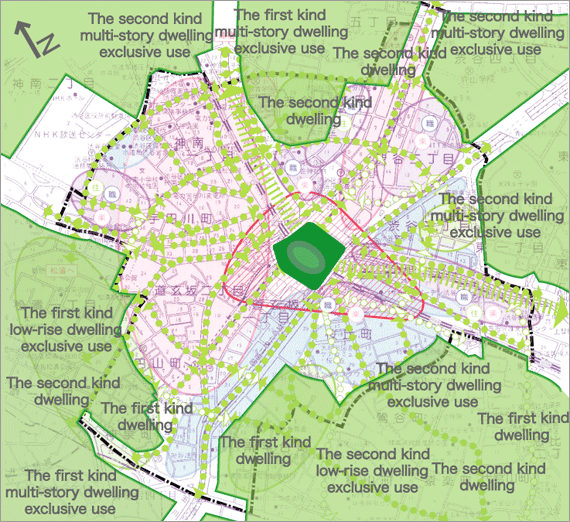
The bustling commercial and entertainment district of Shibuya is enclosed by another, more residential Shibuya reminiscent of the original Shibuya created as a new housing area to cater for Tokyo's growing population in the late Meiji Period; of the Shibuya Station from which those residents departed on their commute into the central city; and of the area around the station where the second and third sons of farming families from the outskirts of town opened businesses to take advantage of all this new activity. Following the Great Kanto Earthquake of 1923, Shibuya Station became a transfer point for the private railway lines used by people from the larger new housing areas in the south of Tokyo, then from the Tokyo Olympics onward, a battle using the mass media to create shopping streets finally turned the neighborhood over exclusively to the young. Shibuya needs to recall its history as a residential area, and become a neighborhood for local people in the wider sense to enjoy, a place where local people want to work, and a place attractive to local people: because a neighborhood where the local adults don't want to go will one day inevitably become a neighborhood where no adult wants to go. |
|
|
|
|
|
|








